
Video Highlights
New!: BlueSwarm: Biologically-inspired Little Underwater Explorers! (Science Robotics 2021)
Visit our Youtube channel for videos on the latest robots and projects from our lab.
Lab Info
Our lab is part of Computer Science and Robotics, within the Paulson School of Engineering and Applied Sciences at Harvard. We are a member of the Wyss Institute for Biologically Inspired Engineering at Harvard, and Prof. Nagpal co-leads the Bio-inspired Robotics Platform (2008-20). We do research that spans computer science, robotics, and biology in many different ways. Our lab is committed to having a diverse, creative, interdisciplinary, team-oriented, and fun environment.
How to get to our Lab:
Our lab recently moved to the new Allston campus SEC building! More information to come.
Outreach and Lab Tours: We enjoy doing lab tours for groups aiming at broadening participation in robotics and STEM with underrepresented groups. For now our lab is closed to tours due to covid.
Joining our lab: The SSR lab is moving to Princeton and we have PhD and postdoc positions open. Also, many of our alumni are faculty and have related (and cool!) research programs. Check out their labs! e.g. Kirstin Petersen@Cornell, Nils Napp@Cornell, Mike Rubenstein@Northwestern, Spring Berman@ASU, and Sabine Hauert@Bristol-UK.
COLLECTIVE ARTIFICIAL INTELLIGENCE

The SSR Lab has moved to Princeton University! Nagpal has joined Princeton Robotics (MAE+CS departments) to help lead new initiatives in swarm robotics and collective intelligence. More info to come.
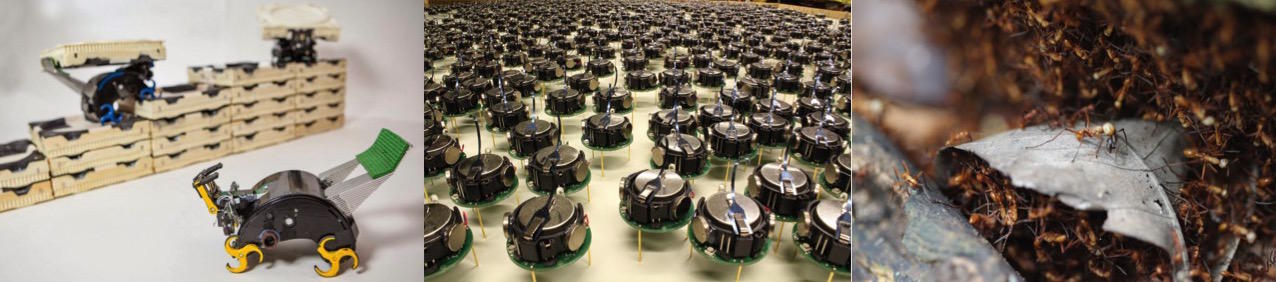
Towards Collective A.I.: Biological systems, from cells to social insects, get tremendous mileage from the cooperation of vast numbers of cheap, unreliable, and limited individuals. What would it take to create our own artificial collectives of the scale and complexity that nature achieves?
Our group is interested in self-organizing systems, where large numbers of simple agents cooperate to produce complex and robust global behavior. We design and build novel bio-inspired robots and algorithms for collective intelligence, drawing inspiration from social insects and cells and body-brain-colony interactions. We also study self-organization in nature, specifically how social insects and cells cooperate to achieve complex tasks and what organizational principles translate accross scales. Our work combines AI, robotics (CS, EE & ME), and field biology.
A common theme in all of our work is understanding the relationship between local and global behavior: how does robust collective behavior arise from many locally interacting agents, and how can we engineer the local interactions of simple agents to achieve the global behaviors we want.
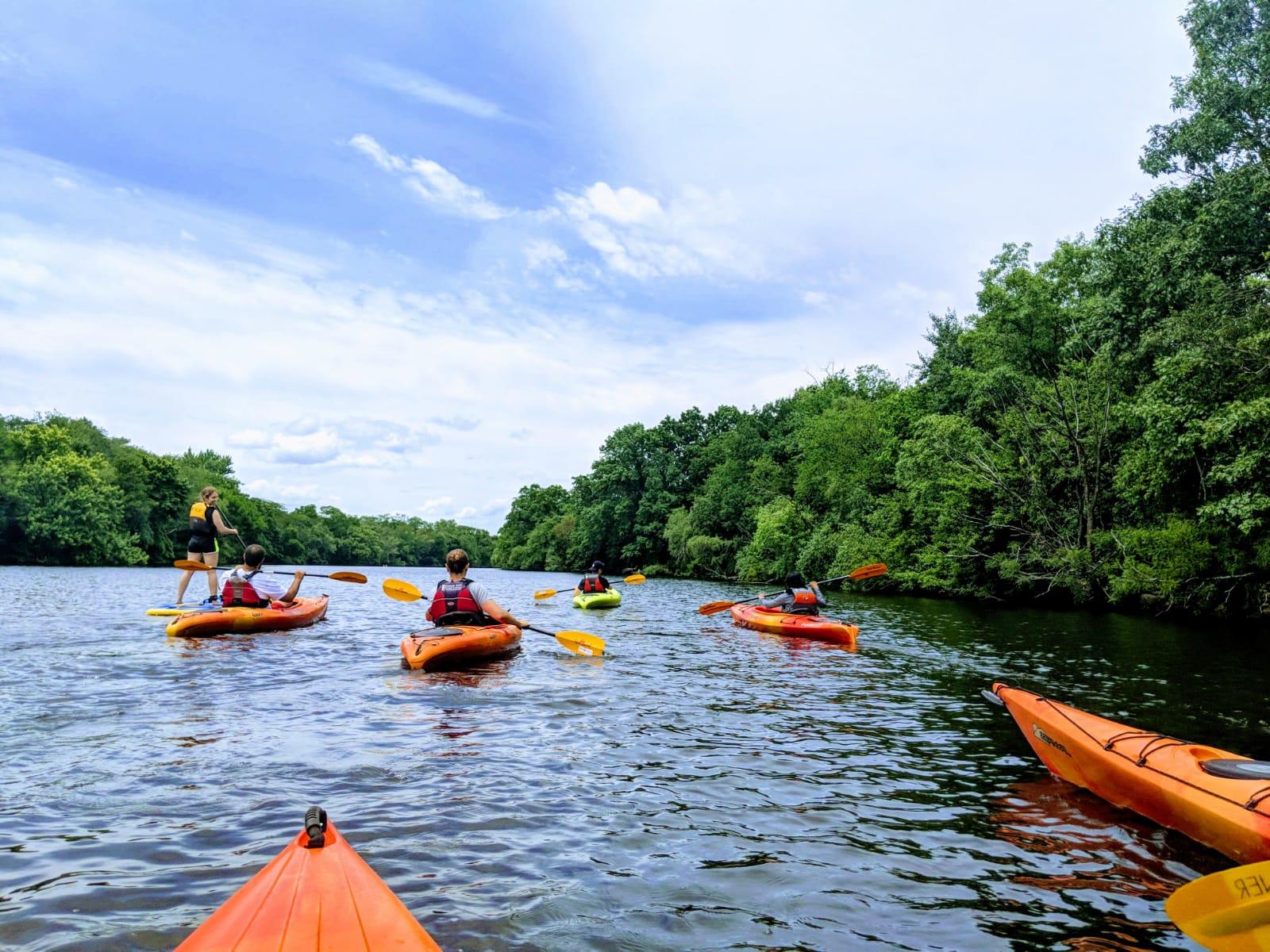 Summer Kayaking, 2018
Research and Lab Highlights
March 2022: Army Ants, Bridges, and Hysteresis! Congrats to Dr. Helen McCreery and Georgina Gemayel for their paper in Nature Communications! (open access) discovering and modeling how hysteresis emerges in collective self-assembly.
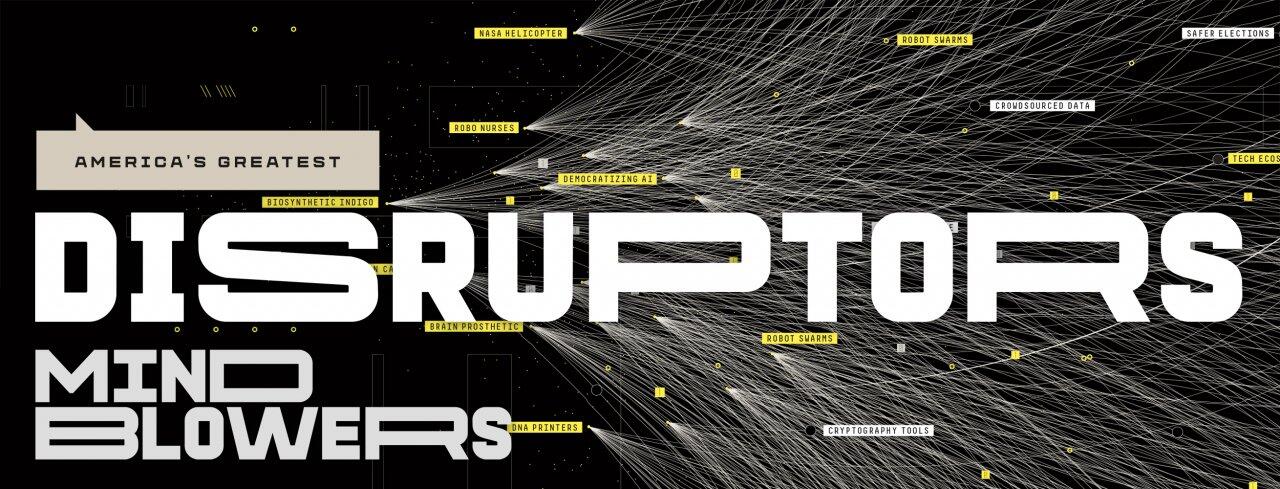
Dec 2021: Radhika is featured in NEWSWEEK as one of America's 50 Greatest Disruptors. Radhika also gave a keynote at Neurips 2021 on the lab's work on Army Ant inspired collective AI and robots (Neurips Keynotes).
May 2021: Swarms in Space! The MIT Media Lab SEI group and SSR group (Bahar, Julia, Radhika) get to do experiments on the ZeroG parabolic flights for NASA! towards future heterogenous inspection swarms for metal structures and surfaces.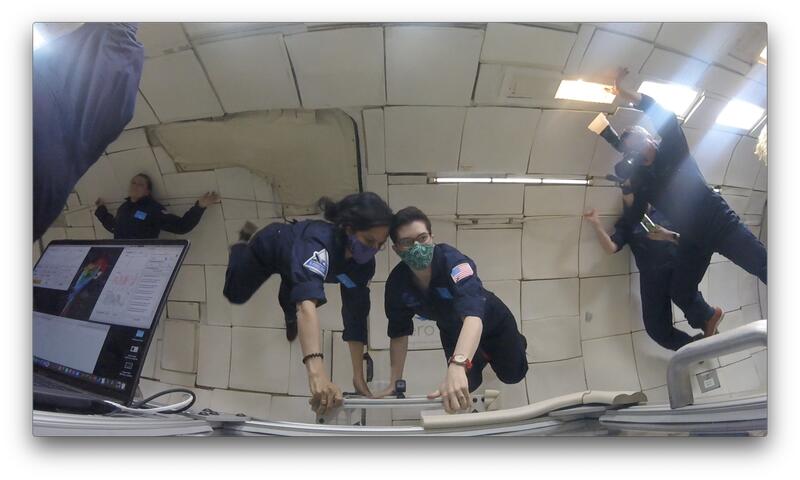
Spring 2021: Congrats to Florian Berlinger for defending his PhD thesis on BlueSwarm! Plus new papers! Two papers in the journal Bioinspiration and Biomimetics (Feb/May 2021) with the Lauder Lab on replicating fish-like behaviors, and a paper with Paula Wulkop in ICRA 2021 on Self-organized Evasive Manuevers that is a finalist for best paper!
Ja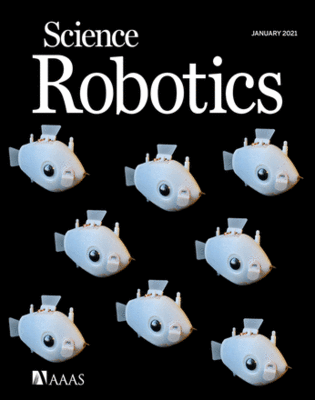 n 2021: BlueSwarm on the cover of Science Robotics! Read more about it in Science, Wired, SEAS new articles and check out the videos.
Jan 2021: Radhika Nagpal has been named an ACM Fellow for contributions to collective intelligence, including self-organizing systems and swarm robotics.
For more about our Lab's accomplishments, see our Press page.